
Insect Pest Control
Survey, treatment and monitoring against cockroaches, ants, fleas, mosquitoes and other insects for homes, workplaces and facilities.
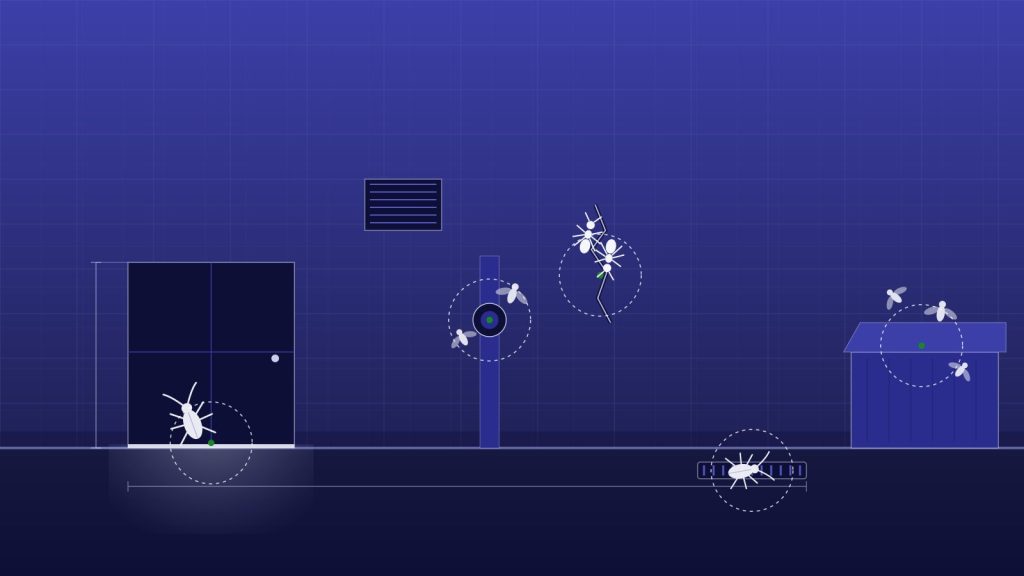
Definition
Insect pest control is a survey, treatment and monitoring service against crawling and flying insects in homes, workplaces and facilities. The aim is not only to remove visible insects but also to identify the source and the risk of recurrence.
The method is chosen according to the target species and how the site is used; sensitivities of children, pets and food are built into the plan.
Scope
- Homes and domestic settings
- Offices, shops and commercial areas
- Kitchens, stores and waste areas
- Outdoor and garden surroundings
- Monitoring and repeat checks
General method
Treatment follows the principle of prevention and monitoring first, with targeted intervention where needed. Product and method are chosen after the survey according to the target, the sensitivity of the site and legal requirements.
Product names, doses and licence details are not given on this page; they appear in the treatment plan and under the relevant product conditions.
Application areas
- Houses and apartment buildings
- Restaurants, cafés and kitchens
- Hotels and accommodation
- Offices and workplaces
- Warehouses and logistics areas
Target pests
- Cockroaches
- Ants
- Fleas and ticks
- Mosquitoes and flies
- Bed bugs and similar pests
- Moths and other storage pests
Process steps
- Initial inspection Entry routes, hiding places, moisture, waste, human traffic and product movement are assessed together.
- Risk and target analysis The target pest, the source of infestation and repeat-risk points are identified.
- Programme and method selection A treatment and monitoring programme suited to the sensitivity of the site and to legal requirements is written.
- Treatment Treatment is carried out by authorised personnel with products and methods in line with the plan.
- Monitoring Monitor, station and observation data are collected at regular intervals.
- Reporting Findings, trends and recommendations are turned into a written report and stored in the PMDP.
- Review The programme is updated according to results; preventive measures are proposed for repeat points.
Documents and reporting (PMDP)
- Visit report: date, areas inspected, findings and action taken.
- Monitor and station records with activity observations.
- Trend and repeat-point analysis; corrective and preventive recommendations.
- Photographic site notes and a mapped equipment layout.
- All records kept digitally in the PMDP and an archive ready for audits.
Preparation and safety
- Treatment hours are planned around how the site is used; out-of-hours work is possible.
- Access and covering arrangements for sensitive goods such as food, medicines, cosmetics and equipment are agreed beforehand.
- After treatment, users are informed (contact time, ventilation, when the area can be used again).
- Product and method selection takes account of worker health and environmental safety according to site sensitivity.
- To reduce repeat risk, improvements are proposed at points such as door thresholds, drains, behind shelving and loading lines.
Application tools and site principles
Tools are chosen for the target: backpack sprayer, ULV unit, gel gun or thermal fogger. Enclosed areas are not entered until aeration is complete; after outdoor treatments for ticks or mosquitoes, the applicator states how long people should stay out of the area.
Service process
The service is built on a traceable flow from site assessment through to reporting.
- Site assessment and risk analysis The building, entry points, waste and storage areas and the surroundings are walked; risk sources and pest entry routes are identified.
- Service plan and schedule Visit frequency, equipment layout and method are set out in a written plan according to risk.
- Safe and controlled application Work is done by trained, authorised crews, using product only where needed and in suitable areas.
- Tracking of control points Stations and devices are numbered and mapped; findings are recorded at every check and, for suitable services, entered digitally by QR code.
- Reporting and periodic review A post-service report, periodic trend review and, where needed, corrective and preventive action proposals are shared.
- Access to documents Reports and authorisation documents can also be made available through the PMDP, depending on the service scope.
Frequently asked questions
How long does the treatment take?
It depends on the size of the area and the species; an estimate is given at the survey.
When can I stay in the home afterwards?
Contact and ventilation times are notified in writing after treatment.
What if there are children or pets?
This sensitivity is taken into account in product and method choice; preparation and waiting advice are given beforehand.
Why do insects return?
Entry routes, moisture, waste and storage arrangements determine repeat risk; recommendations are given for these points.
Is regular monitoring needed?
It is recommended for commercial areas and recurring problems.
Can I receive a record or report?
A visit report is prepared; for commercial areas records can be kept in the PMDP.